When the power goes out, weather is oftentimes a factor, but it’s no longer the only issue.
Failing grids and the strain on energy supply is becoming a major problem for homes across America.
Why the Grid is Getting Weaker
When looking at last year’s statistics, J.D. Power reported that 45% of all Americans experienced a power outage in the first half of 2025.
That’s nearly half the country. And we’re not talking about peak hurricane season, either; this is only during the first six months of the year. The grid is getting weaker.
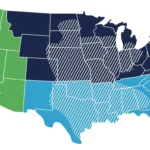
Why? Because the infrastructure carrying that power is aging faster than it’s being replaced, and demand keeps climbing on top of it. A 2025 DOE grid reliability report claims that without new generation capacity coming online, outage risks in several regions could rise dramatically by 2030.
As bad as this seems for the average American, it’s an opportunity for electrical contractors to drive home an important point: standby generators are quickly becoming more than a nice-to-have luxury. Throughout the country, they’re turning into a necessity.
What Does This Mean for Homeowners and Contractors?
Timing generator marketing and conversations around storm season still works for markets in the hurricane belt, but the grid reliability problem doesn’t take a “winter holiday.” Aging transformers are suddenly failing on calm Tuesdays in March.
For contractors outside hurricane-exposed markets, that’s the indicator that can be easily missed: you don’t need to live on the coast to run a successful generator business. Instead, you need to recognize you have a grid that’s aging like every other grid in the country? In today’s world, that’s a valid reason for almost every contractor out there.
For a homeowner, the reason behind their most recent outage doesn’t matter. Twelve hours without power is twelve hours without power, no matter the culprit. And the combination of surging storms and an out-of-date grid means homeowners everywhere are dealing with the potential for year-round anxiety, which means generator demand should be a year-round conversation.
What does this mean, exactly, for contractors deciding whether to expand into the standby generator market?
- The addressable market is bigger. Grid reliability is a nationwide trend, not a Gulf Coast or hurricane-belt problem.
- The sales window is bigger than storm season. Outages tied to aging infrastructure happen every month, which means the conversation with homeowners can happen monthly, too.
- The urgency is easier to sell than fear. “The grid is less reliable than it used to be” is a harder claim to dismiss than “a storm might come,” and it’s backed by data homeowners can find all by themselves.
Financing removes the last objection. Standby generators are a meaningful investment, and the contractors who pair the pitch with a financing or an all-inclusive Home Comfort-as-a-Service option close more of them.
Recognize Reality and Plan for the Inevitable
Storm season will always spike generator demand.
That’s real and that’s still worth planning around, particularly in the markets where it applies. But if generators are only living in your business as a hurricane-prep item, you’re building a seasonal product line around a year-long problem. The grid’s reliability is trending in one direction, and every region in the country is feeling it in the form of longer, more frequent outages that have nothing to do with weather forecasts.
Contractors who reposition the way they sell generators are the ones who’ll own this category as the trend keeps building toward 2030.