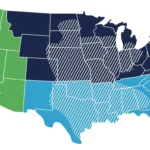
What is the HVAC shoulder season?
There’s a period between peak cooling and heating demand when milder temperatures usually reduce emergency-driven calls. Shoulder season-details, specifically how long the season lasts, can vary by region, market, and climate, but that doesn’t mean contractors shouldn’t be prepared.
So, how do you take advantage of the shoulder season, regardless of your area’s circumstances?
You start pulling old customer lists for database reactivation, schedule tune-ups, and use these less stressful times to shower homeowners with several different purchase and financing options, not just the ones that work in a pinch.
Shoulder season can be a great opportunity to do business your way, and some contractors, particularly in the Northeast and Midwest, are saying it started weeks early this year.
Shoulder Season Came Early in 2026
This isn’t exactly a surprise. In certain areas of the country, mild temperatures showed up ahead of schedule, and call volume never quite spiked the way it usually does toward the end of summer.
But a quiet stretch like this isn’t meant to be downtime. For business owners, it can actually be one of the more stressful times in the year; they’re trying to ensure enough money comes in to stay afloat while some of their employees are eyeing vacations in this slower period.
If that sounds like you, don’t fret. As long as you plan accordingly, the shoulder season can become one of your best opportunities of the year.
Today, you have employees who aren’t swimming in calls. Today, you have customers who will actually listen. Those things change when the first cold front hits. Customers start calling in a panic to either book last-minute tune-ups or get broken units fixed, and this lessens the chances of them having the patience to hear about different payment or maintenance plans – not to mention the time and patience of your own contractors.
This isn’t the time to relax. It’s time to pounce.
Proactive vs. Reactive Maintenance
Right now, you should adopt a shift to proactive conversations. This gives you the opportunity to continue making money while also helping your customers save it from surprise repairs.
In a message to homeowners, Energy Star notes that, “contractors get busy once summer and winter come, so it’s best to check the cooling system in the spring and the heating system in the fall. To remember, you might plan the check-ups around the time changes in the spring and fall.”
For large portions of the country, September and October are prime opportunities to go back through your customer base and reach out with these numbers in hand.
Talk to a customer with whom you previously discussed recommended repairs, one who missed their spring tune-up, or maybe even someone who owns an older unit that’s due for a hard replacement conversation. Planned maintenance can go a long way to extend the life of a unit, but if that system is nearing its end, the conversation will land better now than during the first freeze.
How You Can Use Shoulder Season to Your Advantage
Depending on where you live, the shoulder season window will only remain open until sometime between the end of October and the end of November.
Here are a few ways to use this time valuably:
- Pull a list of customers who haven’t had service in the last 6-12 months and start calling them this week, not next month. Reviewing booked appointments from earlier this year can be a great place to start, but the list you pull from there goes even deeper. It might include:
- Customers with missed maintenance appointments
- Customers with 10+ year-old equipment who may need a replacement
- Previously recommended repairs that weren’t completed
- Unsold replacement estimates
- Customers who haven’t booked in 12+ months
- Maintenance-plan renewals coming due
- Plan times of outreach around the calendar, not the crisis. “Before the cold hits” resonates more than “your system might fail,” right?
- Use tune-up visits as the natural moment to flag aging equipment and open the replacement conversation while there’s no pressure on either side. Shoulder season is a perfect time for these types of talks.
- Make it easy to say yes on the spot. A customer who’s ready to move on a repair or replacement shouldn’t stall out because the payment conversation is awkward or rushed. Explain their options while the pressure is light and make them confident in their decision with a nice fall breeze to help you through.
- Keep techs’ schedules full now so you’re not scrambling to staff up the second demand spikes.
- Reward team members for hitting goals and consider investing in team training. As things get busier, it can be more difficult to both show appreciation for your contractors’ efforts and ensure they’re growing for the future. ACCA recommends using this time to celebrate big and little wins alike while also keeping the company up-to-date with training. That way, you know they’re prepared for a big season ahead.
- Onboard new partners. This is a great opportunity to focus on the benefits of generating new partnerships. For example, our team can help keep you busy during these slower stretches of the year and get your higher approval rates when things start to speed back up.
Start Now, Reap the Benefits Later
The crews who are out there right now, working their existing customer list for tune-ups and repairs, are the ones who’ll walk into the first cold snap with a full schedule instead of a flooded phone line.
And here’s the thing: it’s not too late to start. Treat shoulder season right and your staff – not to mention your homeowners – will thank you in the long run.